peripherals
Best Ultra-Budget Gaming IEMs for CS2 & Valorant: KZ Taurus vs CCZ DC01 Pro vs Yeabomy AK3FILE
Ditch bulky 300g headsets. Three budget in-ear monitors under $20 deliver high-resolution drivers, surgical footstep separation, and zero neck strain. Which is the ultimate budget clutch king?
- 7 min read
Professional esports athletes in CS2 and Valorant wear IEMs beneath their over-ear headsets during LAN tournaments: the outer headset blocks crowd noise, while the IEM underneath delivers precise game audio directly into the ear canal. The advantages are clear — near-zero physical head fatigue, direct acoustic channel delivery, and surgical sound localization. When you are clutching a 1v2 on Mirage or holding A-Site on Ascent, distinguishing between a faint step in Connector and a weapon reload in Palace wins rounds. While audiophile-grade IEMs often cost hundreds of dollars, the budget Chi-Fi market has exploded with high-performance hardware under $20. We compared three prominent ultra-budget IEMs — the dual-dynamic KZ Taurus, the fin-stabilized CCZ DC01 Pro, and the entry-level Yeabomy AK3FILE — to determine which delivers the most accurate tactical imaging and long-session comfort.
Info
IEM Acoustic Architecture for Tactical FPS
Driver layout and sound separation are what make IEMs superior for competitive tactical shooters. In CS2 and Valorant, games layer multiple sound cues simultaneously — distant gunfire, bomb ticking, and quiet creeping footsteps. A well-tuned IEM prevents low-frequency bass rumble from masking the critical 1.5 kHz to 4 kHz range where footsteps and weapon scopes resonate.
Why IEMs outperform cheap gaming headsets: Budget over-ear headsets rely on muddy 50mm drivers that drown out critical sound cues with excessive bass. In contrast, budget IEMs deliver crisp, direct sound to your ear canal — offering sharper footstep imaging, faster audio response, and zero headband clamping fatigue during long sessions.
Four specs that determine FPS performance in budget IEMs:
- Directional Imaging (Soundstage & Layering) - Ability to distinguish whether a defuse or footstep is at 45° front-left versus directly behind you without auditory ambiguity.
- Impedance & Sensitivity Compatibility - Low impedance (16–36 Ω) and high sensitivity (105+ dB/mW) ensure loud, crisp audio directly from a motherboard 3.5mm jack without needing an external amplifier.
- Secure Ear Hook & Cable Microphonics - Soft memory ear hooks keep the IEMs locked during aggressive mouse swipes and prevent cable friction noise from transmitting into your ear.
- Detachable 2-Pin / QDC Cable Design - Allows seamless cable replacement or swapping to a custom microphone cable / Type-C digital DAC cable if the stock cord ever wears out.
Four tips for maximizing IEM performance in CS2 & Valorant:
- Pick the right silicone tip size — an airtight ear canal seal is essential for full low-end response and passive noise blocking
- Route the cable behind your back or use an in-line shirt clip to eliminate desk tugging during wide mouse swipes
- In CS2 audio settings, select 'Crisp' EQ profile for sharper footstep clarity. Perspective Correction is a matter of personal preference — many competitive players leave it Off for consistent positional audio similar to CS:GO, while others enable it for camera-aligned spatial cues
- In Valorant, enable HRTF in audio settings for binaural positional cues — but first set Speaker Configuration to Stereo and disable any Windows Spatial Sound (Dolby Atmos, Windows Sonic) or headset virtual surround software, as these conflict with HRTF and prevent it from working correctly
How to optimize Windows & game audio for CS2/Valorant:
Disabling virtual enhancements, choosing the correct audio profile, and setting proper dynamic range unlocks your IEMs' true positioning.
Audio Setup TutorialGaming IEM Comparison: Key Specs & Tactical Audio Features
| IEM Earbuds | Driver Architecture | Impedance / Sens. | Cable & Fit | Mic | ||
|---|---|---|---|---|---|---|
Yeabomy AK3FILE Wired Gaming IEM Earbuds | 10 mm Dynamic (Titanium-plated) | 16 ohms / 109 dB/mW | 22 g | 1.2 m TPE Braided with PU Memory PU Memory Around-Ear Hook | In-line HD mic with button | Check price on Amazon |
KZ Taurus Horizontal Dual-Dynamic Driver IEMs Best pick | Dual 8 mm (2DD) Horizontal Dual Dynamic Drivers | 36 ohms / 105 dB/mW | 28 g | 1.2 m Silver-Plated Dual Parallel (0.78mm 2-Pin) Pre-formed Ergonomic Over-Ear | In-line HD Condenser Mic | Check price on Amazon |
CCZ DC01 Pro Gaming IEM Earbuds with Ear Fins | 10 mm Composite Dynamic Driver (1DD) | 22 ohms / 110 dB/mW | 24 g | 1.2 m 4N OFC Detachable (0.78mm 2-Pin) Patented TPE Ear Fin + Over-Ear | In-line Noise-Filtering Mic | Check price on Amazon |
Yeabomy AK3FILE Wired Gaming IEM Earbuds
10 mm (Dynamic (Titanium-plated))16 ohms / 109 dB/mW22 gTPE Braided with PU MemoryPU Memory Around-Ear HookMic: In-line HD mic with buttonKZ Taurus Horizontal Dual-Dynamic Driver IEMs Best pick
Dual 8 mm (2DD) (Horizontal Dual Dynamic Drivers)36 ohms / 105 dB/mW28 gSilver-Plated Dual Parallel (0.78mm 2-Pin)Pre-formed Ergonomic Over-EarMic: In-line HD Condenser MicCCZ DC01 Pro Gaming IEM Earbuds with Ear Fins
10 mm (Composite Dynamic Driver (1DD))22 ohms / 110 dB/mW24 g4N OFC Detachable (0.78mm 2-Pin)Patented TPE Ear Fin + Over-EarMic: In-line Noise-Filtering Mic
* As an Amazon Associate I earn from qualifying purchases.
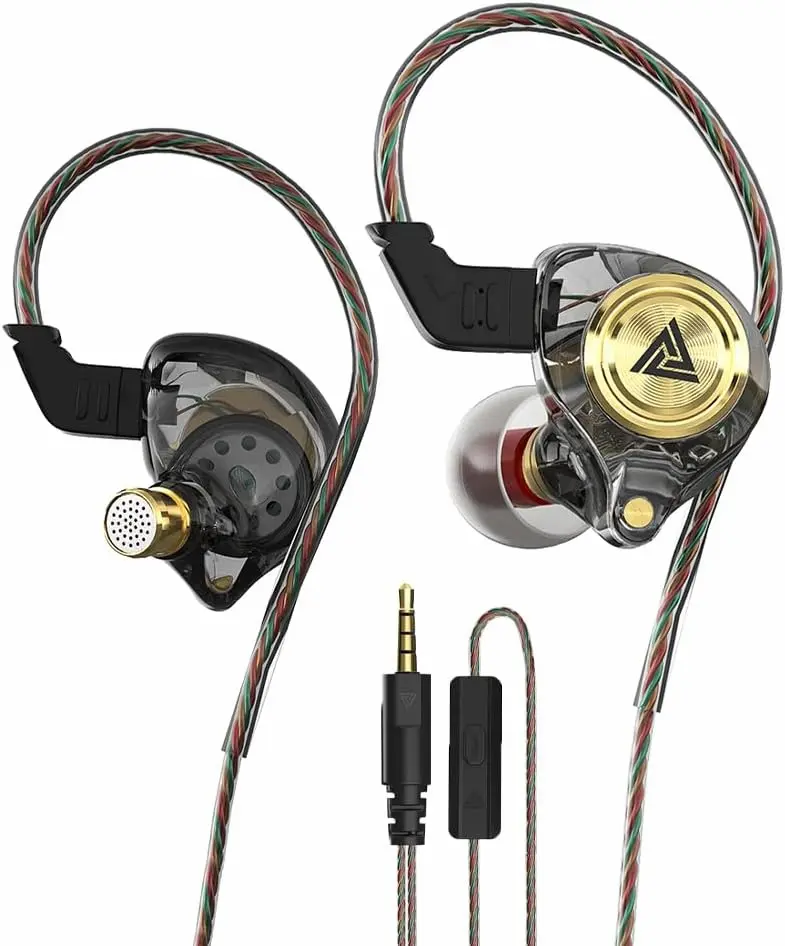
Yeabomy AK3FILE: Ultra-Affordable Entry with Titanium-Plated Diaphragm
* As an Amazon Associate I earn from qualifying purchases.
- 1
Most affordable entry point with 10mm titanium-plated dynamic diaphragm
The Yeabomy AK3FILE (based on the popular AK3 acoustic platform) is the most budget-friendly option in this roundup, offering the lowest price tag in the comparison. Despite its highly accessible cost, it features a 10mm dynamic driver treated with a titanium-plating process to increase diaphragm rigidity and reduce harmonic distortion. For casual gamers making their first switch from muddy cheap headsets to dedicated IEMs, the AK3FILE offers an immediate upgrade in voice clarity and treble response.
- 2
Featherlight build with flexible PU memory ear hooks
Weighing in as one of the lightest options here, the AK3FILE is virtually unnoticeable once worn. Its pre-shaped PU memory ear hooks loop comfortably over the ear, distributing any minor cable weight away from the ear canal. The cable includes an in-line HD microphone with a multi-function push button, making it a versatile plug-and-play solution for PC gaming, Discord voice chat, and mobile gaming.
Pros and Cons: Yeabomy AK3FILE
Pros
Lowest price point in the lineup — remarkable value-to-performance ratio
Lightweight build with comfortable PU memory ear hooks
Titanium-plated 10mm diaphragm provides crisp treble for reload and scope audio cues
Cons
Soundstage depth is narrower compared to horizontal dual-driver architecture
Non-detachable cable — cannot be replaced or upgraded unlike the KZ Taurus and CCZ DC01 Pro
Stock TPE cable is more prone to tangling if stored carelessly in a backpack
Conclusion
As the most affordable option in this comparison, the Yeabomy AK3FILE is an unbeatable gateway into the IEM world. It easily outperforms traditional bulky entry-level headsets in footstep clarity and weight, though its imaging accuracy and cable refinements sit slightly below its dual-driver competitors.KZ Taurus: Dual-Dynamic Precision with Horizontal Acoustic Architecture
* As an Amazon Associate I earn from qualifying purchases.
- 1
Horizontal 2DD driver layout for improved bass and mid/high separation
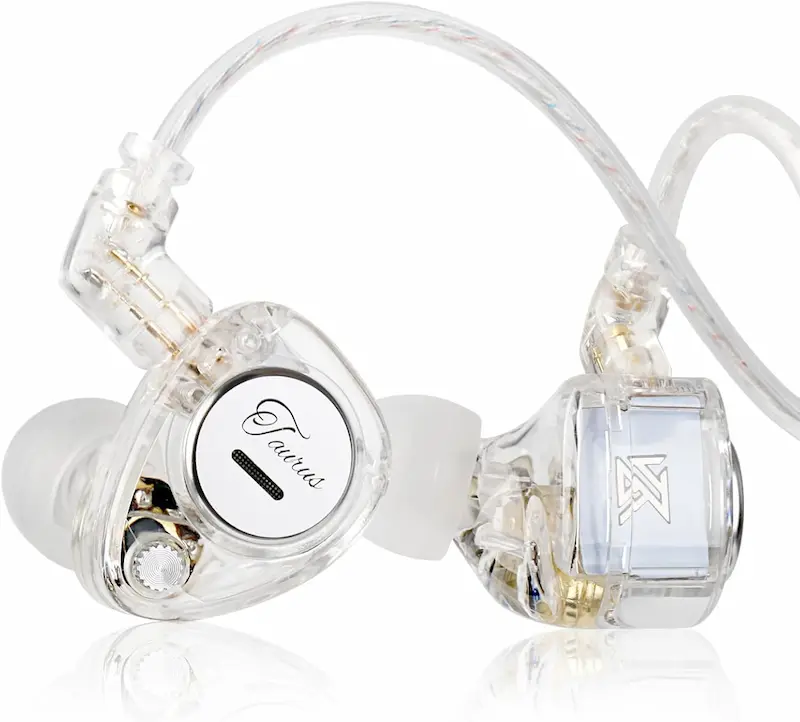
The KZ Taurus utilizes a horizontal dual dynamic driver layout (2DD) featuring two 8mm drivers inside each resin earpiece. By mounting the drivers horizontally and incorporating a manufacturer-specified electronic frequency crossover, KZ aims to isolate low frequencies from the mid-and-high spectrum. In games like CS2, when an AWP shot or HE grenade detonates nearby, the design is intended to reduce masking of subtle high-frequency cues like enemy footsteps shifting on metal or a teammate tapping the bomb defuse.
- 2
Audiophile-grade detachable 0.78mm silver-plated cable and transparent ergonomics
Crafted with a sleek smoke-tinted resin housing, the Taurus provides an intimate, deep insertion fit that naturally attenuates ambient PC fan noise. It features a detachable 1.2-meter silver-plated dual parallel cable with recessed 0.78mm 2-pin connectors, offering minimal signal impedance and easy upgradeability. With an impedance of 36 ohms and sensitivity of 105 dB/mW, it stays easy to power straight from your PC motherboard or front-panel audio port, though it may benefit from a touch more volume headroom than the lower-impedance options in this comparison.
Pros and Cons: KZ Taurus
Pros
Horizontal Dual 8mm Dynamic Drivers (2DD) provide superior spatial sound positioning
Hardware electronic crossover keeps footstep frequencies clear during heavy gunfire
Premium detachable 0.78mm silver-plated cable with transparent smoke shell design
Cons
36-ohm impedance is on the higher side of this comparison, so weak audio sources may need a bit more volume headroom
Deep insertion shell may require trying multiple ear tip sizes for smaller ear canals
Conclusion
The KZ Taurus sets the benchmark for budget competitive gaming audio. Its horizontal dual-dynamic driver architecture and electronic crossover deliver clean sound separation that prevents explosions from masking footsteps, making it the top tactical pick for CS2 and Valorant.CCZ DC01 Pro: Patented Ear-Fin Stabilization and Punchy V-Shape Tuning
* As an Amazon Associate I earn from qualifying purchases.
- 1
Patented TPE ear fins guarantee an unshakeable acoustic seal
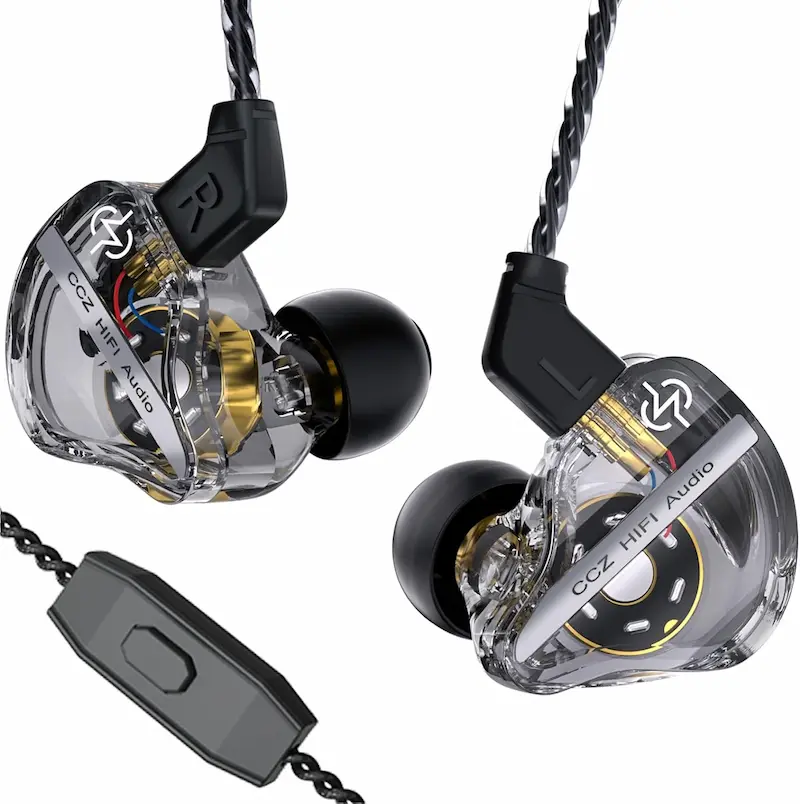
The CCZ DC01 Pro solves the most common complaint with budget gaming in-ears: slipping out during intense matches. CCZ integrates patented soft TPE silicone ear fins on the inner body of the earpiece that nestle into the concha of the ear. This creates a mechanical lock that prevents the IEM from loosening during head movements or fast communication callouts, maintaining consistent passive noise isolation throughout grueling ranked marathons.
- 2
10mm composite dynamic driver with lively, dynamic soundstage
Equipped with a custom 10mm composite dynamic driver, the DC01 Pro delivers an energetic V-shaped acoustic profile with rich, tight bass and crisp treble extension. Its 22-ohm impedance and 110 dB/mW sensitivity keep it easy to drive even on the weakest budget laptop soundcards. It comes bundled with a detachable 4N OFC (Oxygen-Free Copper) 2-pin cable with an in-line noise-filtering microphone.
Pros and Cons: CCZ DC01 Pro
Pros
Patented soft TPE ear fins guarantee an unshakeable seal and eliminate match-time slippage
Low 22-ohm impedance and 110 dB/mW sensitivity produce loud, clear audio on any budget PC or laptop audio port
Detachable 4N OFC oxygen-free copper cable with solid in-line voice microphone
Cons
V-shaped sound signature has slightly elevated sub-bass compared to neutral studio IEMs
Single 10mm driver has marginally less layering separation than the dual-driver Taurus
Conclusion
Thanks to patented TPE ear fins, the CCZ DC01 Pro delivers the most secure and comfortable physical seal in this class. Its low 22-ohm impedance and punchy composite dynamic driver provide energetic audio with great clarity for long competitive sessions.Verdict
One IEM delivers pro-level tactical imaging — the others offer supreme comfort and unbeatable value KZ Taurus
KZ Taurus cleanly takes the victory in this ultra-budget IEM showdown for CS2 and Valorant. By leveraging a horizontal dual-dynamic driver configuration (2DD) paired with hardware-level frequency crossover, the Taurus provides the cleanest spatial imaging and tactical sound separation in the comparison. Footsteps, weapon swaps, and defuse cues are rendered with razor-sharp directionality without being drowned out by low-end explosion rumble.
How the other contenders compare:
-
CCZ DC01 Pro takes a strong second place and wins the award for Best Comfort & Physical Lock. Its patented TPE ear-fin stabilization ensures the earpieces never dislodge during intense clutch rounds, while its low 22-ohm impedance and 110 dB/mW sensitivity guarantee effortless volume on any budget motherboard. If long-session ear fatigue or slipping earbuds have been your main issue, the CCZ DC01 Pro is your ideal match.
-
Yeabomy AK3FILE is the undisputed Best Ultra-Budget Value champion. As the most affordable pick in the lineup, it easily outperforms generic bulky entry-level headsets in footstep clarity and weight. While its single-driver stage separation is slightly less detailed than the Taurus, it serves as the ultimate low-cost entry ticket into competitive IEM gaming.
Frequently Asked Questions
Professional esports athletes prefer In-Ear Monitors for three primary reasons: 1) Direct acoustic transmission into the ear canal yields sharper spatial accuracy; 2) Zero headband clamping force eliminates headaches and ear sweat during long tournaments; and 3) Superior passive noise isolation blocks out ambient stage or household distractions.
No. All three models featured in this comparison have low impedance (16Ω to 36Ω) and high sensitivity (105dB/mW to 110dB/mW). They run at full clarity and plenty of volume directly from standard 3.5mm motherboard audio jacks, front-panel PC ports, or simple budget Type-C dongles.
Traditional single dynamic IEMs must reproduce both heavy explosions (low bass) and delicate footsteps (mids/highs) on one membrane, which can cause audio compression. The KZ Taurus uses two dedicated 8mm drivers with a manufacturer-specified electronic crossover designed to keep footsteps crisp and localized even while grenades detonate around you.
IEM comfort and acoustic performance depend on using the proper silicone ear tip size. Always try all three included sizes (Small, Medium, Large) to achieve an airtight seal without excessive pressure. For active movements, models with stabilization fins like the CCZ DC01 Pro provide the most secure physical grip.
Yes. All three models featured here come equipped with an in-line microphone on the cable. For PC desktop use, if your case has separate 3.5mm headphone and mic jacks, you can use a standard 3.5mm Y-splitter for instant crystal-clear voice communication. The CCZ DC01 Pro additionally supports a USB-C connection option for direct digital audio.
You May Also Like
- Best Ultra‑Budget Gaming Headsets under $20 for CS2 & Valorant: ZIUMIER Z66 vs IMYB A36 vs Tatybo XW1
- Best Ultra-Budget Gaming Keyboards Under $20 for CS2 & Valorant (2026) — 4 Contenders, 1 Clear Winner
- Best Budget Microphones for CS2 & Valorant Under $20 (2026): TONOR TC‑777 vs Neptune Sonus vs LRUFOB MU5000
- How to Hear Footsteps in CS2 & Valorant: Loudness Equalization + Audio Settings Guide
- Best Ultra-Budget USB-C to 3.5mm Audio Adapters Under $10 for CS2 & Valorant: UGREEN vs JXMOX vs JSAUX